


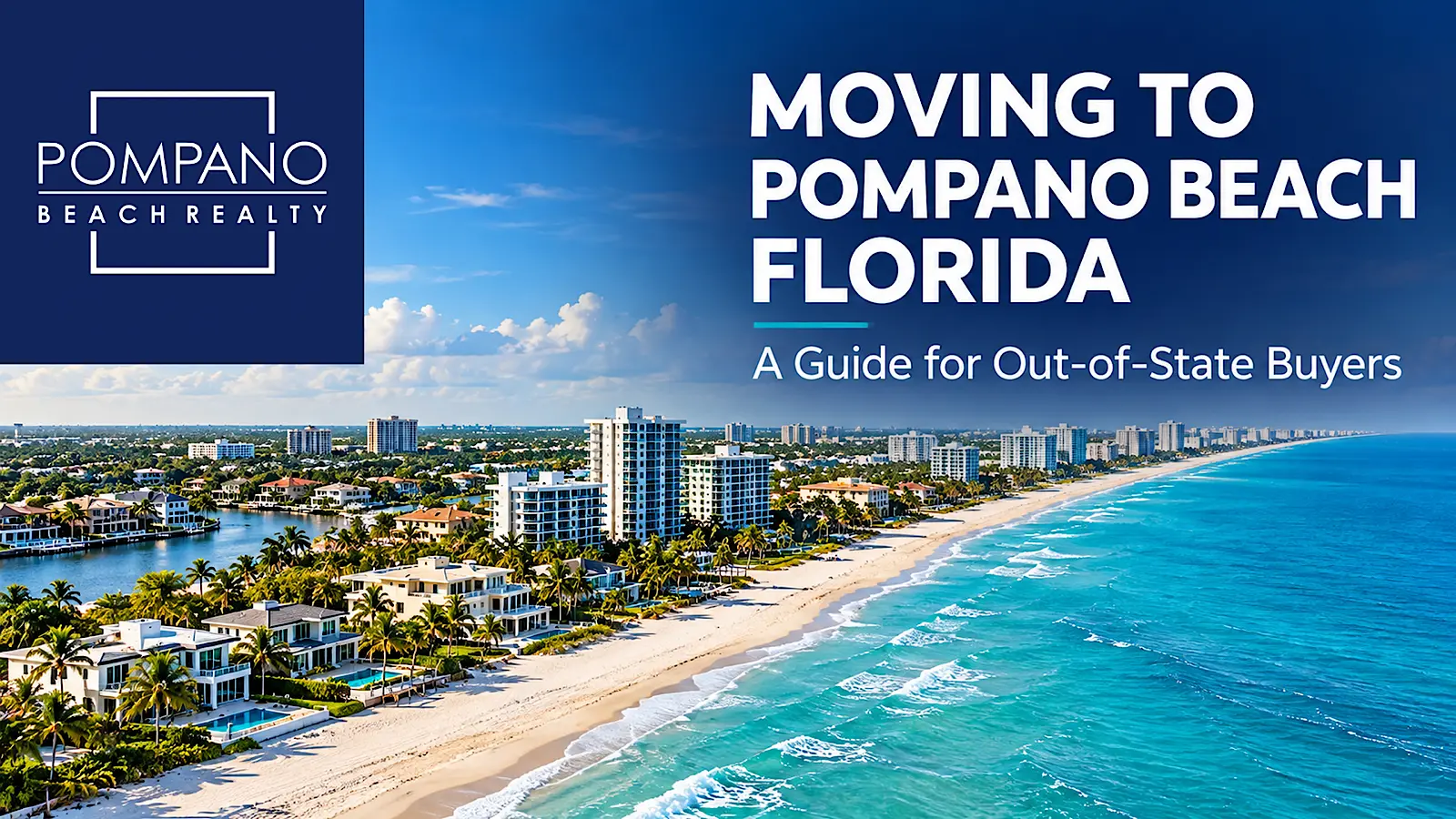
Moving to Pompano Beach, Florida: A Guide for Out-of-State Buyers
Find your place near the beach, compare homes with confidence, and understand the costs before you move.
Moving to Pompano Beach, Florida, starts with an appealing idea: more time outside, easier access to the water, and a home that fits the way you want to live. Turning that idea into a successful purchase takes local knowledge, especially when you are shopping from another state.
At Pompano Beach Realty, we help buyers connect their priorities with the right property search. Whether you want a waterfront home with dock space, an oceanfront condo, or a single-family home away from the beachfront, start with your daily routine and a realistic ownership budget.
Why Consider Pompano Beach for Your Florida Move?
Pompano Beach combines an Atlantic coastline with an established city in northern Broward County. The Fisher Family Pier and surrounding Fishing Village give the beachfront a recognizable gathering place for dining, walking, and spending time by the ocean. You can explore the waterfront without making every outing a full-day excursion.
For buyers relocating to South Florida, location also matters beyond the beach. Pompano Beach provides a base for reaching Fort Lauderdale, Boca Raton, and the wider region. Test your actual commute and airport route during the hours you expect to travel; a mileage estimate cannot tell you how a drive will feel.
Picture an ordinary Tuesday here. Would you rather walk toward the ocean, step onto a boat, or enjoy a backyard with room for outdoor dining? That answer is more useful than choosing a property solely because it looked impressive during a vacation.
Choose the Property That Matches Your Lifestyle
Waterfront Homes: Start With Your Boat
Pompano Beach waterfront homes deserve a search built around both the house and the waterway. Before making an offer, confirm dock dimensions, water depth, bridge clearances, the route to the inlet, and any restrictions affecting your vessel.
Include seawall condition, dock permits, electrical service, and maintenance in your review. A waterfront address does not establish that a particular boat will fit or that ocean access will meet your expectations.
Condos: Compare the Building as Carefully as the Unit
A condo can appeal to buyers who want shared amenities or fewer exterior maintenance responsibilities. Compare parking, storage, pet rules, rental restrictions, guest policies, and association approval requirements before narrowing your list.
Our guide to condo HOA fees, assessments, and total costs explains the financial review in more detail. For relocation, also ask how deliveries, visitors, and move-in scheduling work.
Neighborhoods: Compare Streets, Not Just Names
Use our Pompano Beach neighborhood map search to explore areas such as Harbor Village and Garden Isles alongside other parts of the city. Compare individual locations for water access, traffic, nearby services, and the distance to places you will use regularly.
When reviewing Pompano Beach homes for sale, separate essential requirements from preferences. Garage space, stairs, yard maintenance, and room for visiting family can matter more after moving day than an extra feature you rarely use.
Build Your Budget Around the Full Cost of Ownership
A purchase price is only the starting point. Before choosing between properties, compare these expenses using written quotes and available documents:
- Insurance: Request property-specific homeowners or unit-owner quotes. Review hurricane deductibles, exclusions, roof information, and any requested inspections.
- Flood exposure: Review the property's flood zone, elevation information, and coverage options. Most homeowners policies do not cover flood damage. Discuss separate coverage even when a lender does not require it.
- Association expenses: Examine dues, budgets, reserves, meeting minutes, applicable structural inspection and reserve-study reports, and existing or proposed special assessments. Confirm payment responsibilities in the contract.
- Maintenance: Allow for air conditioning, roofing, pools, landscaping, and waterfront structures where applicable.
- Financing and closing: Include lender charges, closing expenses, moving costs, and cash remaining after purchase.
Proposed Homestead Changes: Could Property Taxes Fall Substantially?
Status checked October 28, 2026: Florida's Amendment 3, originating as CS/HJR 1-F, is on the November 3, 2026 ballot. The Legislature approved placing it before voters; it has not yet received voter approval. Passage requires at least 60% approval, with a proposed effective date of January 1, 2027.
For qualifying homestead owners covered by the larger exemption, the proposal would exempt up to $150,000 of assessed value from non-school property taxes in 2027 and up to $250,000 in 2028, with inflation adjustments thereafter. This could substantially reduce the non-school portion of an eligible owner's bill. These figures are exempt property values, not dollar amounts deducted from taxes owed.
The important condition for out-of-state buyers: People who were not permanent Florida residents as of December 31, 2026 would generally start with a $50,000 non-school exemption, subject to the proposal's adjustments. They would receive the larger exemption beginning with their fifth year of homestead exemption. Buying a home alone does not establish permanent residency or exemption eligibility.
School taxes would remain, with the $25,000 homestead exemption for school levies retained. Non-ad valorem assessments, such as applicable service charges, would also remain. Actual savings would depend on eligibility, assessed value, tax rates, and other charges; the proposal does not guarantee a lower total bill for every owner.
Vacation homes and investment properties would not receive the homestead exemption increase. A separate provision would lower the annual assessment-growth cap for covered non-homestead property from 10% to 5% for non-school levies. That is an assessment limit, not a 5% limit on tax-bill increases.
Official references: Florida Senate resolution history, enrolled amendment text, and Hillsborough County Tax Collector explanation. Confirm current rules and your circumstances before relying on projected savings.
How to Buy a Home in Florida From Out of State
Buying a home in Florida from out of state becomes more manageable when the search follows a clear sequence:
- Define the use. Decide whether this will be your permanent residence, seasonal home, or rental property. That affects the search, insurance, financing, and tax planning.
- Prepare before traveling. Establish financing or proof of funds, set an ownership budget, and use video walkthroughs to shorten the list.
- Visit with a purpose. Tour different property types, drive surrounding streets, and test the routes that matter to you.
- Use the contract review period. Coordinate inspections, insurance quotes, association documents, title work, and lender requirements within the agreed deadlines.
If closing remotely, confirm signing and identity-verification requirements with the closing professional early. Independently verify wiring instructions through a trusted telephone number before sending funds.
Questions Out-of-State Buyers Ask
Can I buy before becoming a Florida resident?
Yes. Ownership and homestead eligibility are separate. Confirm the requirements for permanent residency and exemptions rather than assuming a purchase qualifies automatically.
Will the seller's property taxes transfer to me?
Do not assume so. Estimate taxes for your ownership and exemption status, including the potential reassessment after purchase.
Would Amendment 3 eliminate my property taxes?
No blanket elimination is promised. School taxes and applicable assessments would remain, and new residents face a waiting period for the larger homestead benefit if approved.
Should I choose a condo or a single-family home?
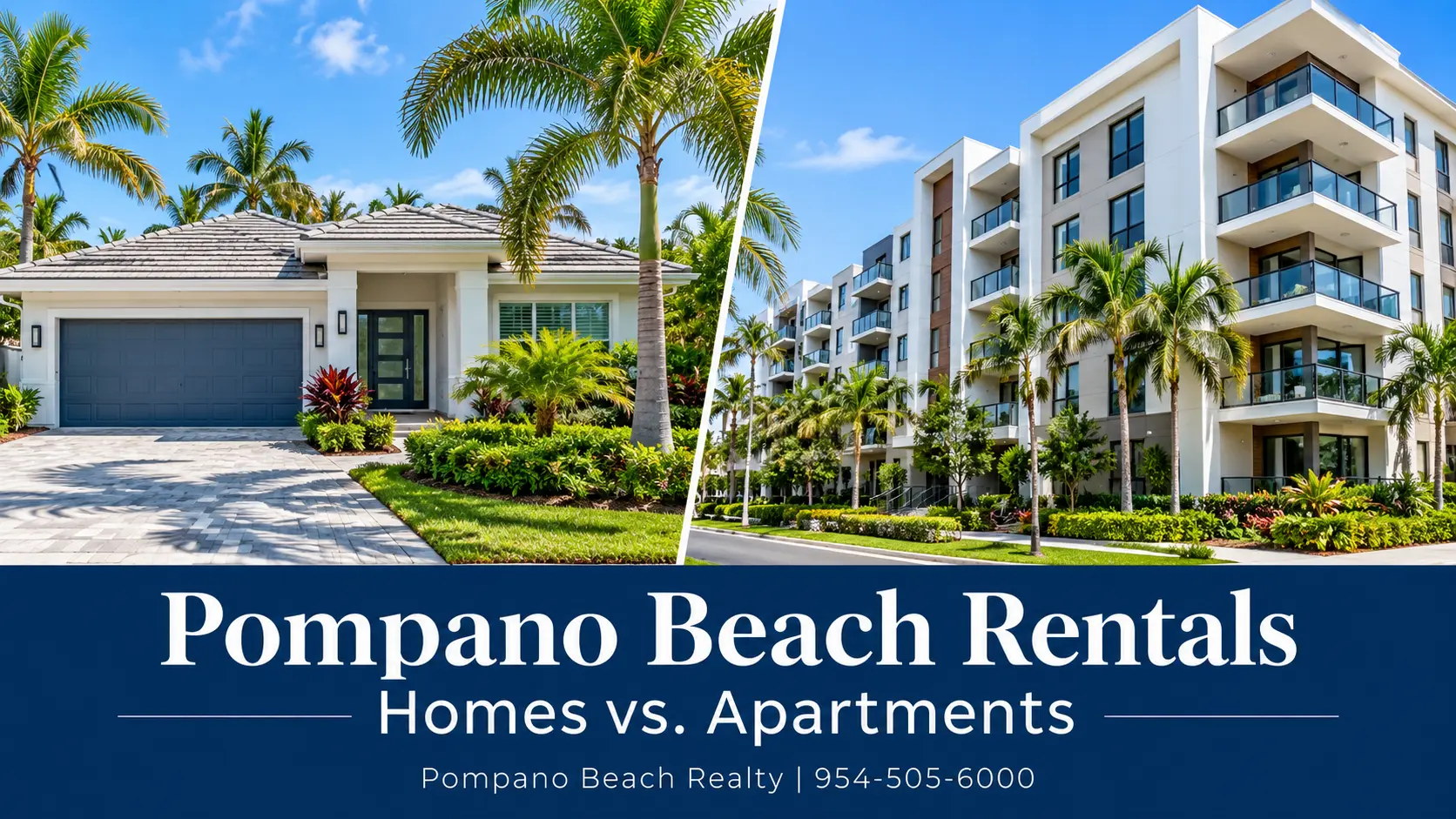
Compare your maintenance preferences, association rules, amenities, privacy needs, and total ownership costs. Neither property type is automatically the more affordable choice.




Leave A Comment
You must be logged in to post a comment.